Back to portfolio
Home/Case Studies
Selected work

Selected Case Studies

Product & UX case studies across consumer apps — from kids education to AI-first tools.

A curated selection of projects that connect product thinking, UX research, interaction design and AI-first product design across apps for children, families, casual and everyday audiences.

Product Design UX Research AI-first Design Interaction Design Kids Apps Live Products
Selected case studies cover
P T B

PawPal · Trampolín · The Book of Sounds

Positioning

A product & UX profile across research, interaction and AI-first design

I design digital products from a product and UX perspective: understanding user problems through research, defining interaction and information architecture, testing with real users, and increasingly designing AI-first products where the interface, the prompt and the trust model are part of the same design problem.

Product Thinking

Research, user needs, business goals and learning outcomes.

Research

User interviews, testing and insight synthesis that inform product decisions.

Interaction Design

Flows, information architecture and interfaces that stay clear under real use.

AI-first Design

Product and prompt decisions designed together: grounding, tone and trust.

Case studies

Four projects, one hybrid story

PawPal — virtual pet mobile game
PawPal
Live Product
Virtual PetUnityMobileRetentionLive Product

PawPal

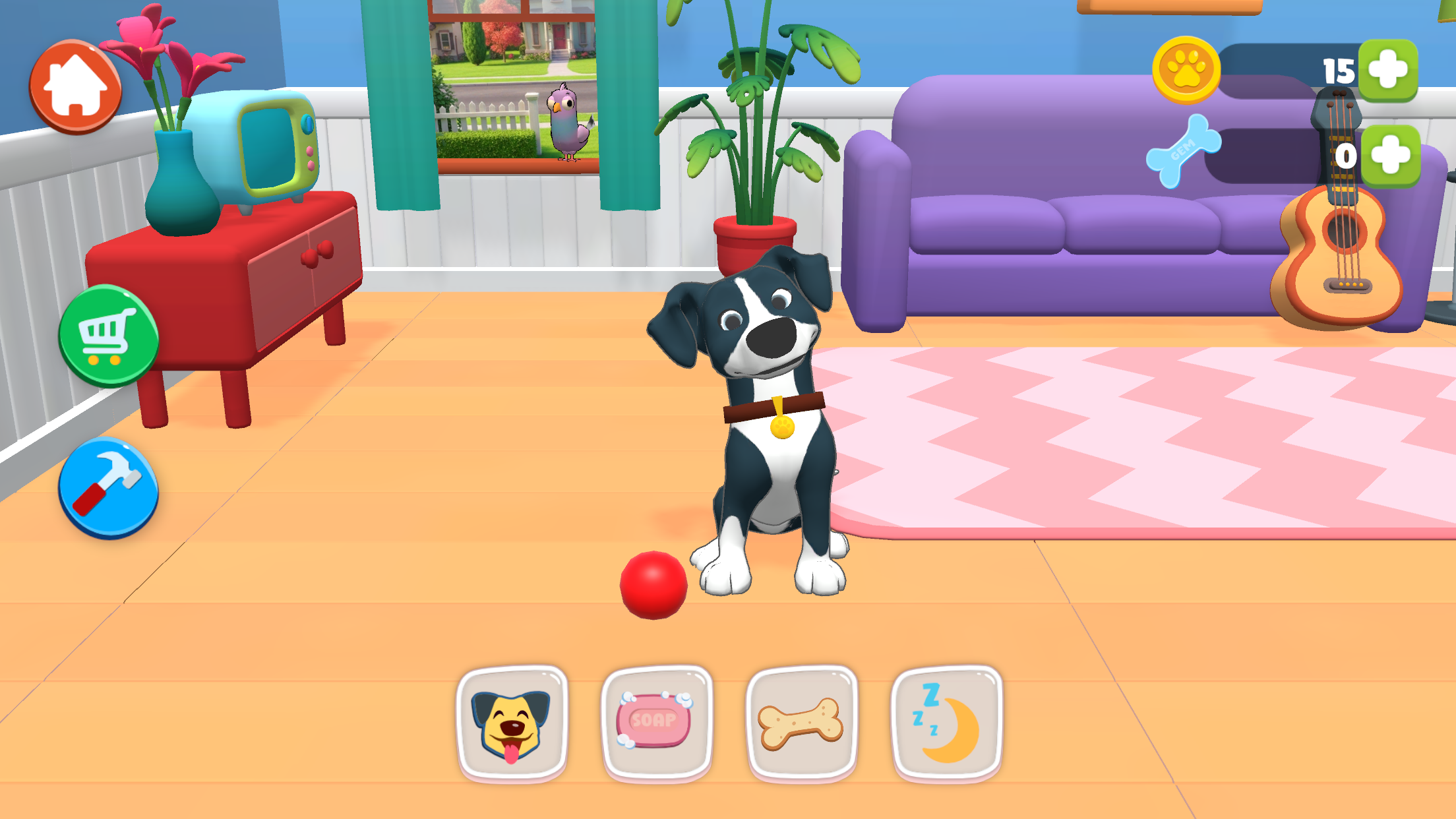
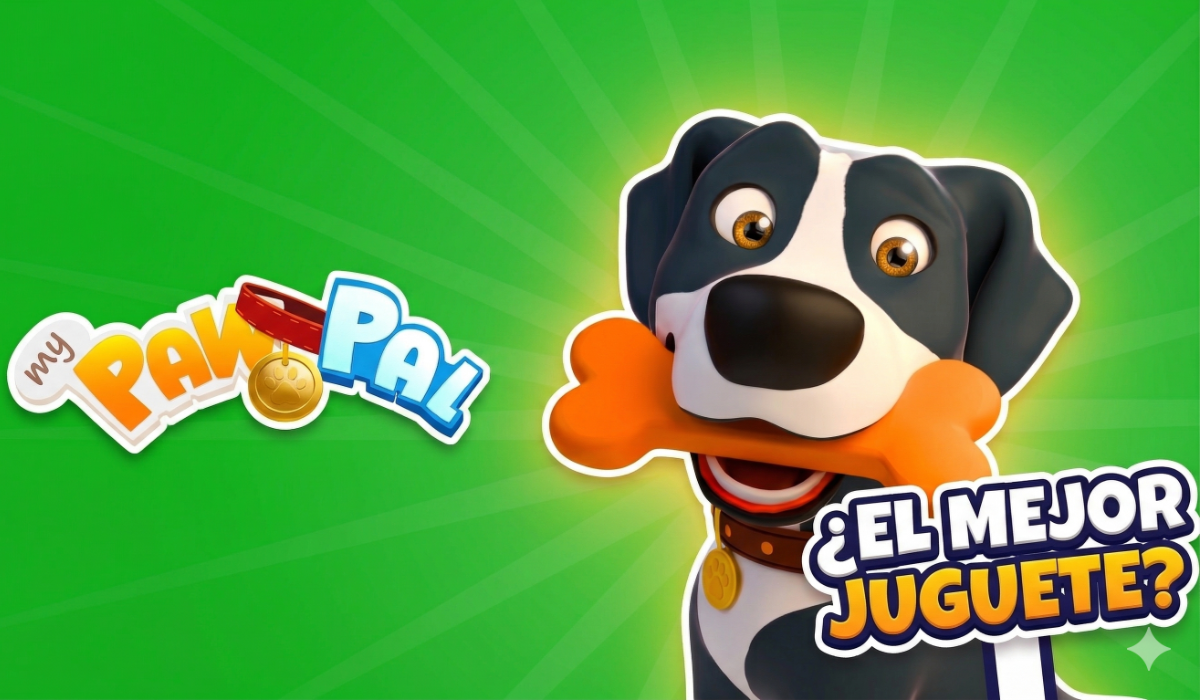
A virtual pet mobile game built around care routines, arcade mini-games, customization, rewards and retention systems.

Impact
  • Live mobile product
  • Google Play release pipeline
  • Ads, IAP, analytics and cloud systems
  • Daily rewards, wardrobe and mini-games
My role

Game design, Unity development, UI/UX, tech art, VFX, economy, retention systems and publishing.
Trampolín — AI-first legal orientation product
Trampolín
Live Product
AI-first ProductUXAnthropic APILive Product

Trampolín

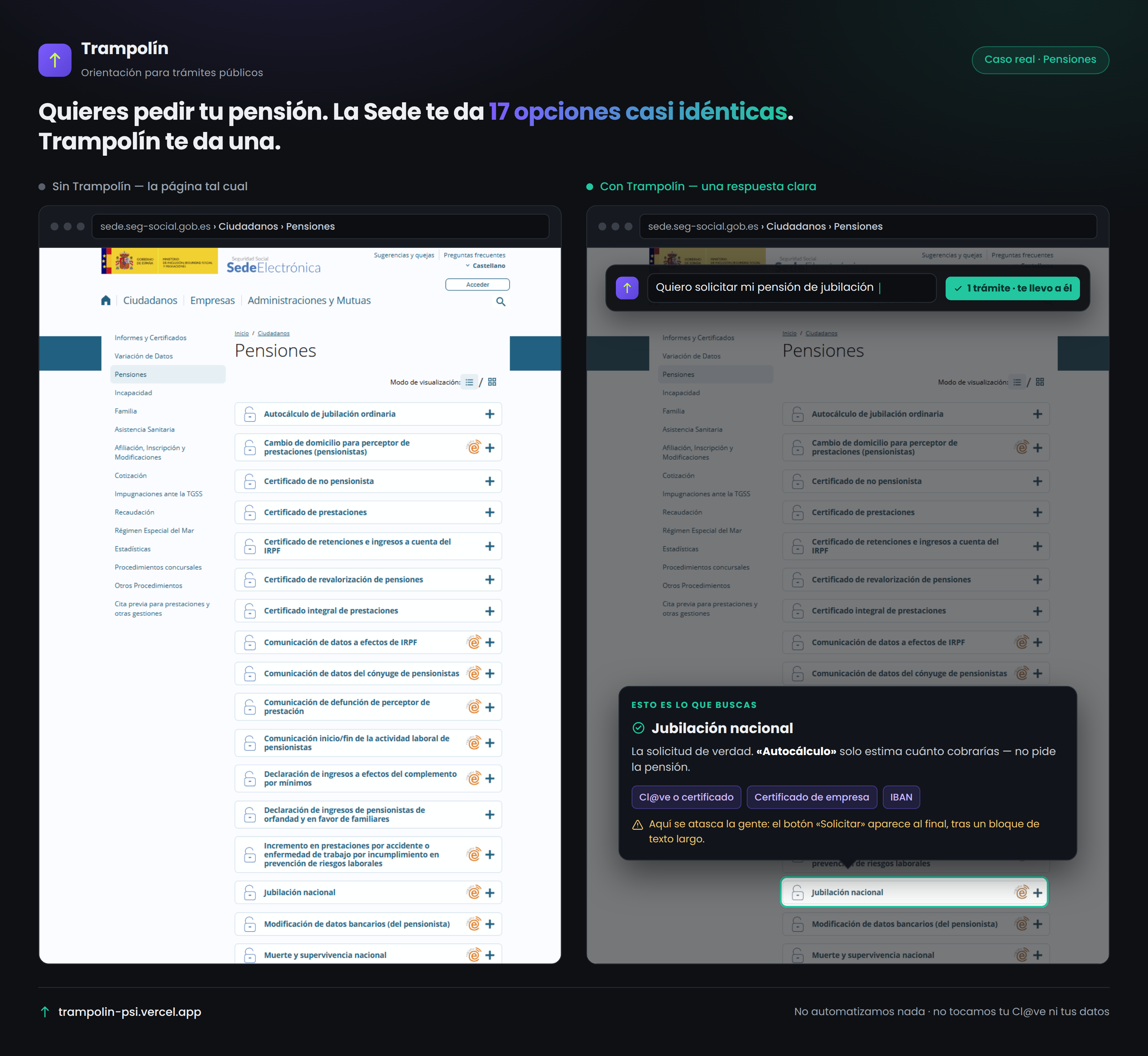
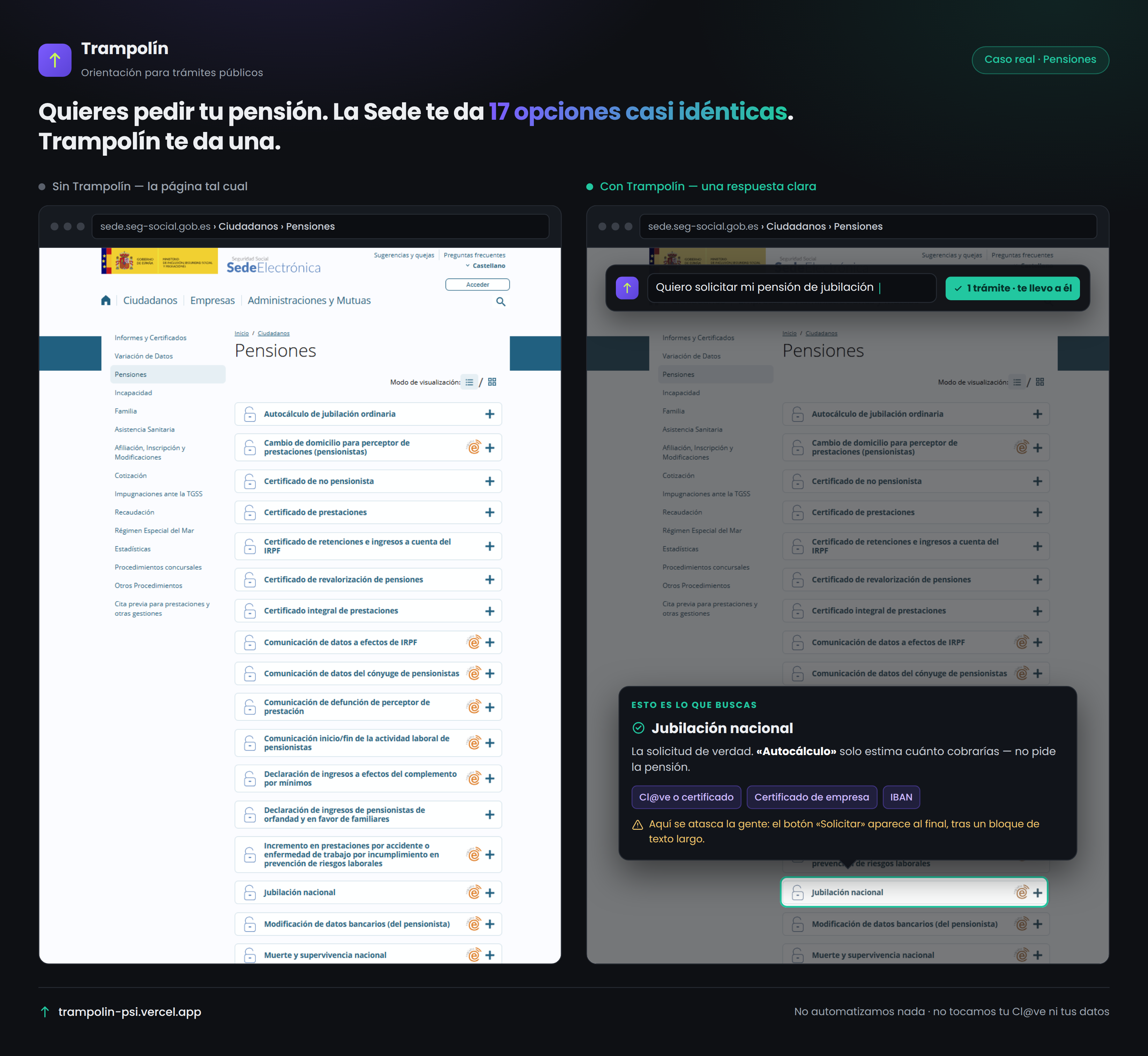
An AI-first product that turns Spain's Social Security electronic office into a conversational orientation layer — natural-language questions, verified answers, no scraping.

Impact
  • Live product on Vercel since July 2026
  • 13 procedures verified as a curated knowledge base
  • AI grounding + web search fallback, no scraping
  • Low-cost serverless infrastructure, donation-based
My role

Product definition, UX design, prompt & AI product design, information architecture and end-to-end build and shipping.

The Book of Sounds — educational app for toddlers
Book of Sounds
10K+ downloads
UX Case StudyKids AppEducationGoogle PlayUnity

The Book of Sounds

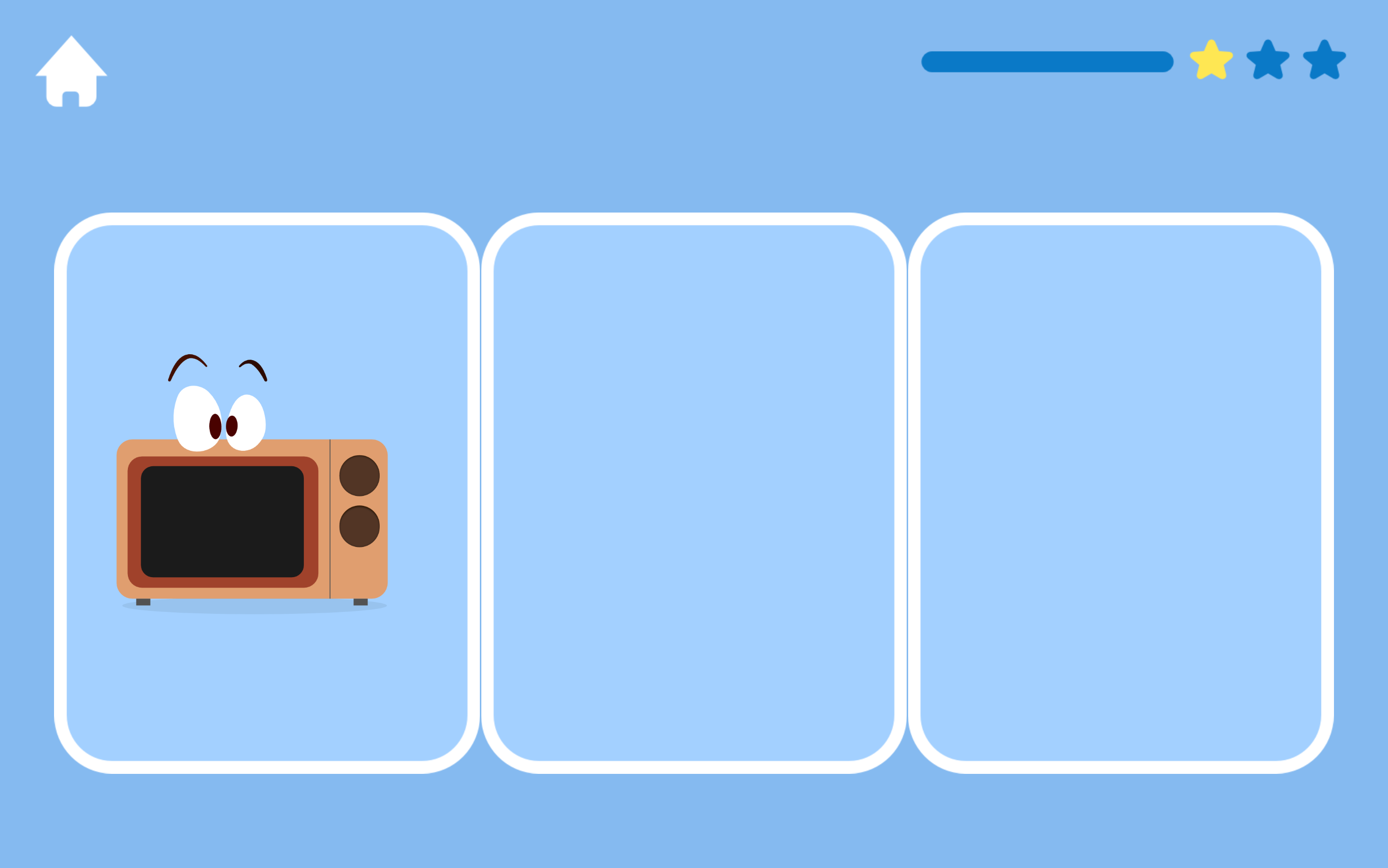
A free educational app for toddlers designed to help very young children discover everyday sounds through colorful characters, simple interactions and a safe, distraction-free experience.

Impact
  • 10K+ downloads
  • Around 700 active users
  • Published on Google Play
  • Free educational project
My role

Product definition, UX research, information architecture, interaction design, UI design, character-driven visual direction, Unity implementation and Google Play publishing.

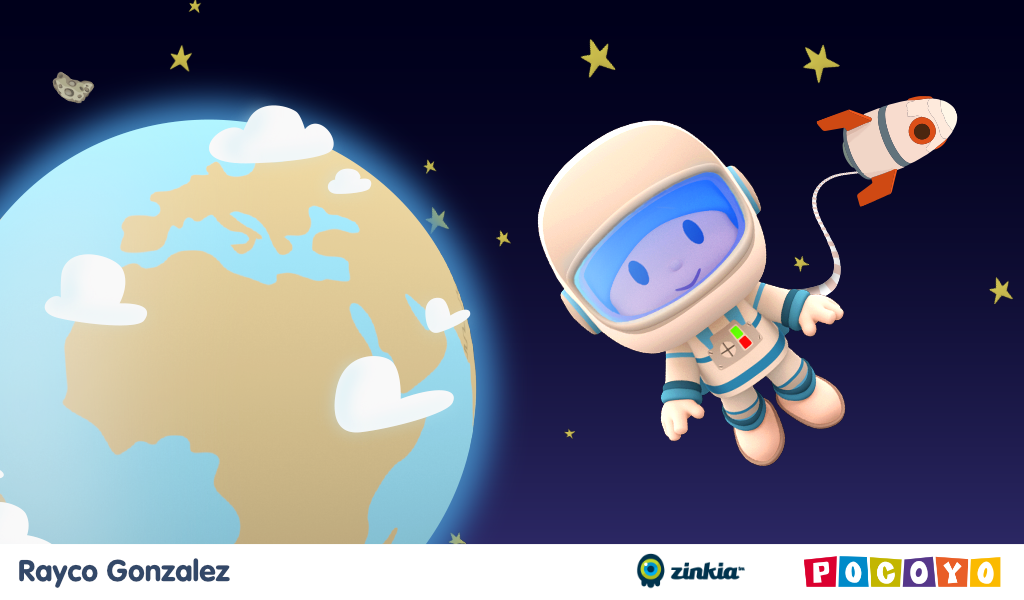
Pocoyó — kids games and character work
Pocoyó
Studio work
Professional WorkKids Entertainment3DUnityAnimationTech Art

Pocoyó / Kids Games & Character Work

Professional experience creating and integrating stylized 3D assets, characters, props, animations, VFX and Unity-ready content for children's games and family entertainment products.

Impact
  • Professional studio experience
  • Children's entertainment IP
  • 3D production and Unity integration
  • Character, props, animation and VFX support
My role

3D artist / technical artist, character and prop production, animation support, Unity integration, visual polish and gameplay-ready assets.

Deep dive

Trampolín — AI-first product & UX case study

Turning a fragmented government service into a conversational orientation layer, without scraping and without pretending to be a lawyer.

AProblem

Spain's Social Security electronic office holds complete, public information about labor rights, deadlines and procedures — but it is fragmented across thousands of pages, written in dense legal language, and never answers a question the way a person actually asks it. People with legitimate rights don't know they have them, or get lost before finding the right answer.

BDecisions

  • Ship an orientation layer, not an automation layer: help people understand what applies to them, not file the paperwork for them.
  • No scraping of the official site — build a manually curated knowledge base instead, for accuracy and accountability.
  • Ground every AI answer in the curated base, with live web search only as a fallback outside its coverage.
  • Make the legal-orientation disclaimer part of the product's tone, not fine print.

CProcess

01
Problem Framing
02
Legal & Scope Constraints
03
Knowledge Base Curation
04
Prompt & AI Design
05
Build & Ship
06
Live Iteration

DTesting & Learnings

Trampolín has been in public validation since July 2026, with a phased roadmap that only advances to the next phase once the current one is validated with real usage. Early use confirmed the core bet — people will ask plain-language questions instead of hunting for the right form — and shaped the disclaimer and next-step prompts on every answer.

EOutcome

A live, production AI-first product deployed on Vercel with a custom domain: 13 procedures verified by hand as a knowledge base, Claude with a web_search fallback for anything outside that coverage, and a low-cost serverless stack sustained through Ko-fi donations. It stands as the strongest signal in this portfolio of AI-first product design — where the prompt, the interface and the trust model are designed as one problem.

Selected screens

Trampolín — conversational orientation interface
Interface
Trampolín — pension procedure walkthrough
Walkthrough
Deep dive

The Book of Sounds — UX case study for toddlers

Designing a safe, simple and character-focused sound discovery app for very young children.

AProblem

Many children face barriers when accessing safe, high-quality educational apps. The project focused on four main concerns: advertising, accidental interactions, one-size-fits-all design for young users, and the lack of visibility for parents about what their children are learning.

BProduct decisions

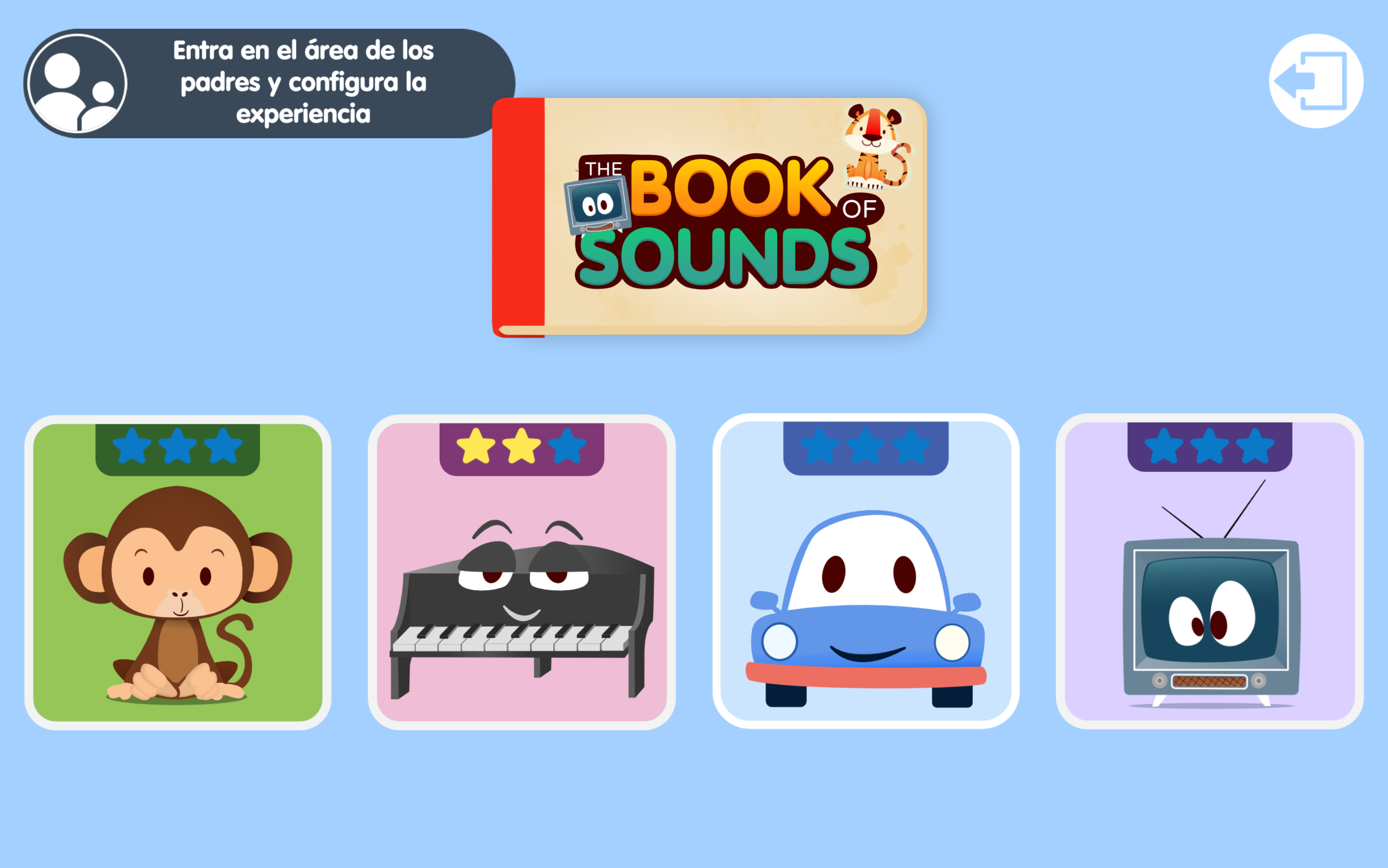
  • Separate child and parent areas.
  • Keep advertising away from the child-facing experience.
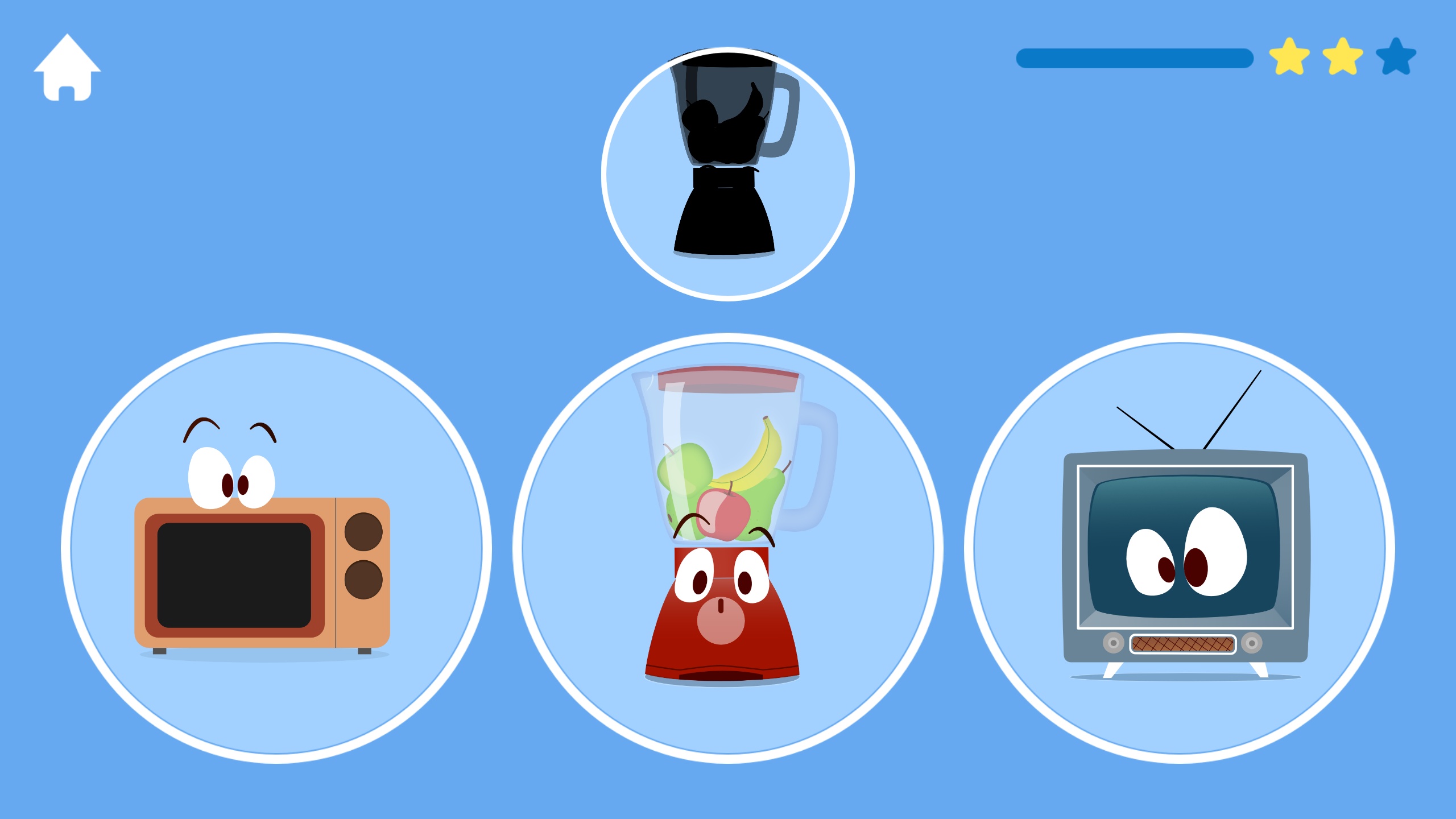
  • Use large, colorful characters as the main focus.
  • Reduce UI noise and distractions.
  • Create simple flows for very young users.
  • Support learning through discovery, reinforcement and test modes.

CUX Process

01
Product Definition
02
User Research
03
Information Architecture
04
Interaction Design
05
User Testing
06
Launch

DUser Testing & Learnings

Testing validated that navigation was easy and onboarding was quick to understand, but also revealed two concrete areas to improve: onboarding subtitles were not engaging enough, and the parental help system needed to become more interactive.

⏳ Placeholder — before/after metric pending baseline data from the live app update

EOutcome

The app was released for free on Google Play and reached more than 10,000 downloads. Although it was not designed as a monetized product, it became a valuable learning project around UX, publishing, kids apps and real mobile users.

Selected screens

The Book of Sounds — screen 1
Screen 1
The Book of Sounds — screen 2
Screen 2
The Book of Sounds — screen 3
Screen 3
The Book of Sounds — hero
Hero
Hiring signal

What these projects show

I can define a product from user needs.

I can build and ship mobile experiences in Unity.

I understand kids/family UX and safety constraints.

I can connect characters, animation and gameplay feel.

I can work across product, art, UI and implementation.

I can learn from metrics, testing and real users.